APF Research Roundup: Youth Mental Health

Children’s mental health is being tested in new and complex ways. Young people and their families are trying to make sense of a world that feels more complicated than ever, and they need thoughtful, real support to navigate it. This is especially true for young people who too often face additional barriers to care and well-being, including youth of color, LGBTQIA+ youth, and those experiencing mental health crises or living in under-resourced communities.
This is where psychology steps in, offering real and practical support to make a difference. It offers proven, evidence-based solutions that support both children and parents, not just in times of crisis, but in everyday life. Whether in schools, at home, in healthcare settings, or within communities, psychology has the tools to help children build resilience, strengthen relationships, and develop the tools to navigate challenges with confidence. For youth who may feel unseen or unsupported, these tools can be life changing.
At APF, we proudly fund efforts that advance youth mental health. Our programs advocate for care, policies, and evidence-based interventions that are accessible, equitable, and tailored to unique contexts. We are beyond grateful to our funding recipients who are actively doing this work, and to our community of donors and supporters that make this work possible.
Read on to learn more about some of the incredible research & impact being driven by APF’s funding recipients!
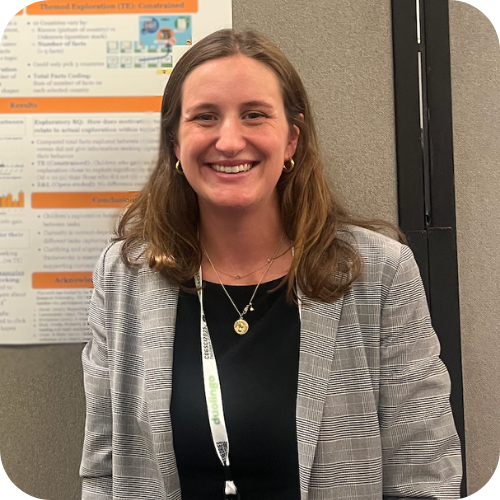
Natalie Hutchins (she/her)
University of Virginia
2026 Elizabeth Munsterberg Koppitz Child Psychology Graduate Student Fellowship
Project Title
“Why School Matters: Children’s Beliefs and the Development of Epistemic Dispositions“
Research Summary
This research aims to investigate children’s beliefs about school– whether they see it as a place to be curious, explore, and learn, or as a place focused on performance and following rules– and the factors that shape these beliefs. I am particularly interested in understanding how children’s school experiences relate to these beliefs and how the beliefs, in turn, influence outcomes such as in-school curiosity, motivation, and enjoyment. Taken together, this project seeks to understand how schools can support intrinsic motivation, foster curiosity and engagement, and create learning environments where all children feel excited to learn and explore.

Laura Elenbaas, PhD (she/her)
Purdue University
2025 Kenneth B. and Mamie P. Clark Grant
Project Title
“Free to Talk? How Conversations in Third Places Support Children’s Social Identity Development and Academic Achievement“
Research Summary
Kids do better in school when they have chances to talk openly about who they are and learn about others who may be different from them, for example in race, ethnicity, gender, religion, or ability. This project will start by looking at how these kinds of conversations happen in “third places” for learning such as community centers and after-school programs, uplifting the work of educators whose efforts in this area may have been previously overlooked. Then, we will explore how talking about identity and diversity in these spaces can help kids explore, reflect, and feel more confident in who they are. Finally, we will look at links between kids’ social identity development and several relevant cognitive skills for academic success, including creativity and persistence. In the spirit of the Clarks’ groundbreaking work, this project aims to chart a new direction in research on identity and academic achievement and seeks a new path towards a more just future for the next generation.

Joshua Steinberg, MA (he/him)
Harvard University
2025 Visionary Grant
Project Title
“Chat-EXP: A Randomized Controlled Trial of Chatbot-Augmented Exposure Therapy for Pediatric Anxiety and Related Disorders“
Research Summary
Many young people with anxiety struggle to follow through on therapy “homework” between sessions, especially when it involves facing their fears. Without this practice, therapy often doesn’t work as well as it could. We are testing the effects of an AI-powered audio chatbot that can talk with kids in real time while they practice their exposure therapy exercises at home. The chatbot encourages them, helps them stay on track, and shares a summary of the practice with their therapist. By making homework easier and more engaging, this tool may help more young people get the full benefit of therapy.
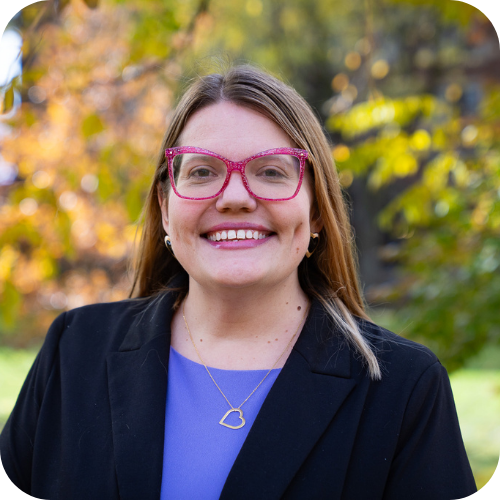
Katie Edwards, PhD (she/her)
University of Michigan
2025 Wayne F. Placek Grant
Project Title
“Pilot Evaluation of an Online Mentorship Program to Prevent Adversities among Trans and Gender Minority Youth“
Research Summary
This project studies how a mentoring program called the Teen Connection Project supports the health and well-being of transgender and gender diverse youth. We focus on understanding how supportive relationships with mentors help reduce stress caused by discrimination and improve mental and behavioral health outcomes. Using information shared by youth and mentors, we examine which parts of the program are most helpful and why. The findings will help strengthen programs that create safer, more affirming environments for transgender and gender diverse young people.

Jasmin Brooks Stephens, PhD (she/her)
University of California, Berkeley
2025 Visionary Grant
Project Title
“Voices of Strength: Reimagining Suicide Prevention Through Black Youth Perspectives“
Research Summary
Dr. Jasmin Brooks Stephens is an Assistant Professor of Psychology at UC Berkeley whose work focuses on supporting the mental health and well-being of Black youth, young adults, and families. Her research explores how experiences like racism and trauma impact mental health while also highlighting the cultural strengths and community resources that promote resilience and thriving. Partnering closely with youth, families, and communities, she develops programs and policies aimed at preventing suicide and reducing mental health disparities within Black communities. Her work has been recognized and funded by leading national organizations and published in top scientific journals.
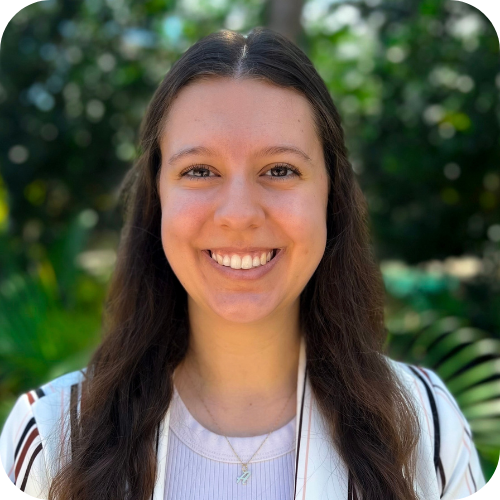
Amanda Bennett (she/her)
University of Florida
2025 Elizabeth Munsterberg Koppitz Child Psychology Graduate Student Fellowship
Project Title
“Development and Feasibility Testing of MyWeb: A Social Support Digital Mapping Tool for Youth in Foster Care“
Research Summary
For the current research project, Amanda has built out a digital tool called MyWeb which aims to comprehensively assess and visualize social support networks among youth who have experienced foster care. This study aims to better understand what features of social support matter to those who have experienced foster care. Data captured through this project will also shed light on how information captured via MyWeb may be useful in support of foster care services, such as placement decisions and case management while in care.

Meredith Gruhn, PhD (she/her)
Vanderbilt University Medical Center
2025 Division 54 Lizette Peterson-Homer Injury Prevention Grant
Project Title
“Neurobiological Pathways to Adolescent Self-Injury: Emotion Regulation as a Target for Prevention“
Research Summary
Dr. Gruhn’s research examines how stressful or traumatic experiences in childhood and adolescence can shape the way young people respond to their emotions and to difficult situations. Her work studies how the brain and body react to stress and how these reactions may put some adolescents at greater risk for psychopathology and harmful behaviors (e.g., self-injury). By identifying early warning signs and patterns of emotional response, her goal is to help create preventive programs that strengthen healthy coping skills and reduce injury risk for vulnerable youth.
Want to contribute to work that advances youth mental health? Donate to APF today!
Topics: Child Psychology Children's Mental Health Mental Health Recipient Update
Discover More
Psychology & Philanthropy In Action with Dr. Yahaira I. Márquez: The Child Trauma Learning Program
We’re catching up with Yahaira I. Márquez, who is expanding access to evidence-based knowledge, resources, and treatment for childhood trauma in Guatemala
Psicología y Filantropía en Acción con la Dra. Yahaira I. Márquez: Programa de Aprendizaje sobre Trauma Infantil
Nos pusimos al día con la Dra. Yahaira I. Márquez, beneficiaria de la Direct Action Visionary Grant, cuyo trabajo demuestra el poder de la psicología y la filantropía para convertir el conocimiento basado en evidencia en acción significativa.
The Next Chapter for APF: The Official Launch of Direct Action
In this blog post, APF’s CEO Dr. Michelle Quist Ryder and Head of Philanthropy Faith Anderson reflect on the evolution of our newest Philanthropic Initiative, Direct Action. They explore how this effort is helping accelerate the journey from discovery to impact, creating new pathways for evidence-based approaches to improve lives, strengthen communities, and address pressing societal challenges.
Psychological science has the power to improve lives. Researchers, practitioners, and community leaders are constantly developing evidence-based solutions to some of society’s most pressing challenges, but these solutions can only create impact when it reaches the people and communities they were designed to serve. As communities face increasingly complex challenges, the Direct Action Philanthropic Initiative represents our long-term commitment to moving proven solutions beyond research settings, and into the hands of those who need them most.