Celebrating 70 Years: We’ve Only Just Begun
“So you want to save the world.”
It is one of those moments that stands crystal clear in my memory; the kind that I can pull to mind in an instant and feel like I was just there. I was explaining to my Executive Director why I was leaving a great job as a Director of Marketing and Communications, with a succession line straight to ED, and going back to school to get my graduate degree in psychology. We were sitting in a small Vietnamese restaurant with red tables and black lacquered chairs.
I hadn’t thought about my career goals in exactly those terms, but yeah, I guess I did actually want to save the world. In fact, I still do.
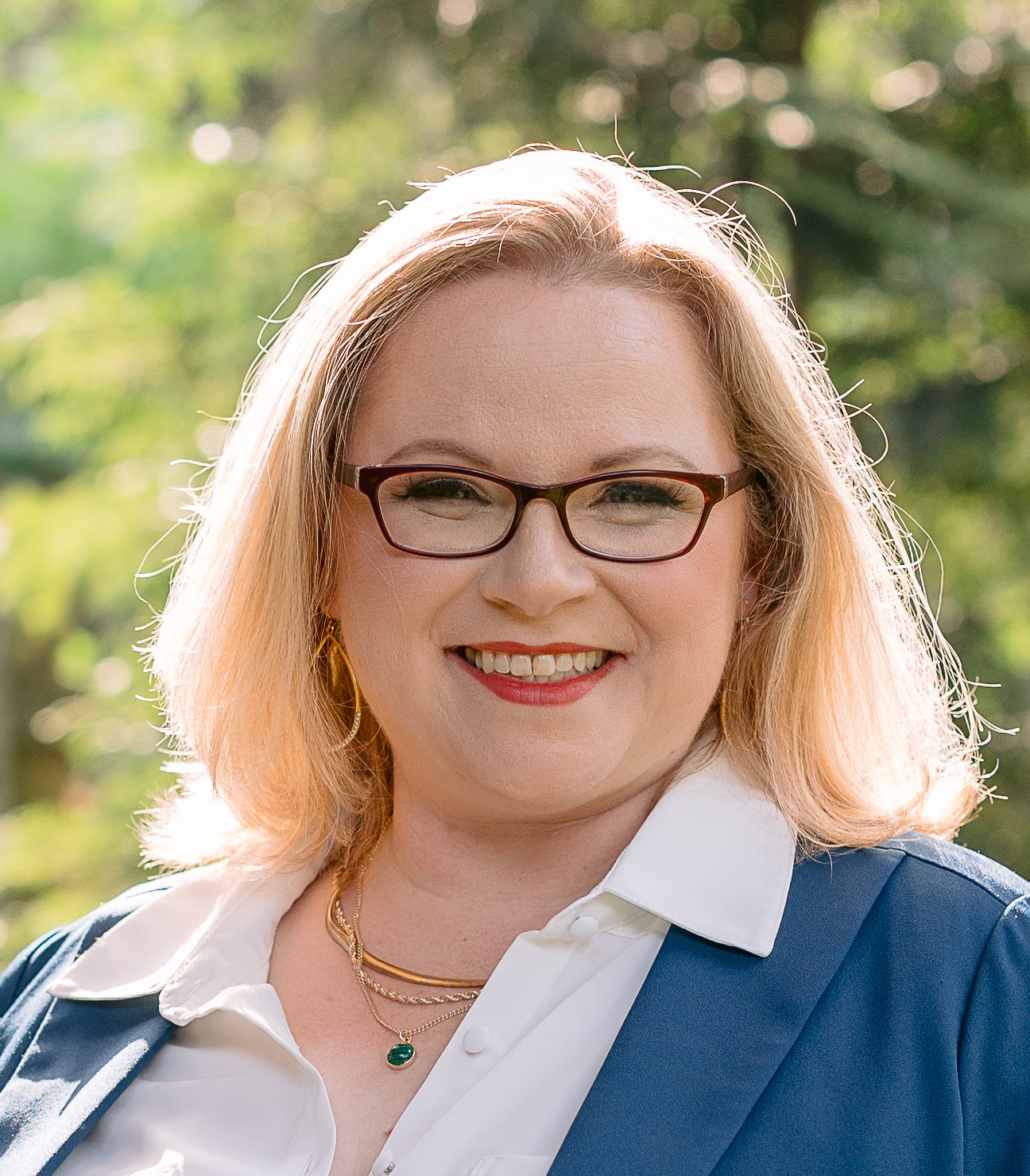
After reading the first two blog posts by Dorothy and Lisa about their history of APF, I couldn’t help but reflect on my own. I came to APF over a decade after that moment of clarity in the Vietnamese restaurant, after I’d gone through two Master’s programs and a PhD and served as teaching faculty at Penn State. There was a lot that I loved about teaching, but I was itching for something more, so I started casting my net to see what was out there. I served as the APF Program Director at first, before fate and tragedy landed me as Interim CEO, and then inspiration and that past non-profit leadership experience and hard work and a great team allowed me to step into the permanent CEO position.
So here I am, at APF, ready to save the world. How, you might be asking? I think the answer to that lies in the nature of psychology itself, called out of our navel-gazing tendencies by the clarion call of philanthropy. You see – for 70 years, APF has always been primarily a donor-choice organization, funded mostly by individual psychologists who see a need and have the means to try to address it. Saving the world means meeting the problems where they are, with the right tools to solve them. Take a look at our website; scroll through our 90+ programs and you’ll see superheroes fighting battles on so many fronts: racial and ethnic equity, physical illness, leadership of women, alleviating LGBTQIA+ prejudice and suffering, supporting gifted children, bettering basic science. And so on and so on, and every year we add more.
And along the way, while working with donors and recipients alike, APF has learned a lot about what the world needs as well. Our four Visionary Priorities:
- applying psychology to at-risk, vulnerable populations (e.g., serious mental illness, returning military, those who are incarcerated or economically disadvantaged);
- preventing violence;
- understanding the connection between behavior and health (e.g. wellness, diabetes, obesity);
- understanding and eliminating stigma and prejudice (e.g., race, gender, sexual orientation, religion, age, disability, and socioeconomic status).
These are huge buckets, a giant call into the breadth and depth of psychological research to find a way to cure the ills of the world. Donations that come straight to us, rather than individual funds, allow us to be nimble and pivot to meet these needs in the crucial moment. Like our rapid response COVID grants and our EnVISION Racial Equity grants.
And finally, after the headaches and heartbreaks of the past three years, the world seems to be waking up to what psychology is and does. APA is being invited into spaces previously closed to them; policy and social health and public messaging. We’re here, and we can help.
And here at APF, not only can we help, but you can help too. Anyone can. We are where psychology and philanthropy meet, where you can take $5 or 5 minutes and multiply it into progress.
Lisa and Dorothy talked about the beginning and the history, but it’s my job to look to the future. So what do I see in APF’s future? Everything. I see limitless potential. We give away one Queen-Nellie Evans Scholarship to a deserving student every year, why not five? Why not five research grants for Alice F. Chang’s Cancer Wellness Grant program? Why not five Elizabeth Munsterberg Koppitz Child Psychology Graduate Student Fellowships? Or 10? Or, why not donate to APF’s general fund and let the people with boots on the ground put the funds where they are needed most? There is so much good we can do.
My vision for APF is that everyone who wants to make a difference can come here and make it. In the next 70 years, we will become a household name, and the impact of the research and practice that we support will be threaded throughout society. We will have helped psychology confront some of the battles that society is facing, and we will be in a better place.
I know there are heroes among us; I’ve already met so many of them in my time at APF. I can’t wait to meet the rest of you too. All it takes to make a difference is people who want to save the world, so grab your boots and cape, and let’s get this done. Here’s to the next 70 years!
Discover More
Psychology & Philanthropy In Action with Dr. Yahaira I. Márquez: The Child Trauma Learning Program
We’re catching up with Yahaira I. Márquez, who is expanding access to evidence-based knowledge, resources, and treatment for childhood trauma in Guatemala
Psicología y Filantropía en Acción con la Dra. Yahaira I. Márquez: Programa de Aprendizaje sobre Trauma Infantil
Nos pusimos al día con la Dra. Yahaira I. Márquez, beneficiaria de la Direct Action Visionary Grant, cuyo trabajo demuestra el poder de la psicología y la filantropía para convertir el conocimiento basado en evidencia en acción significativa.
The Next Chapter for APF: The Official Launch of Direct Action
In this blog post, APF’s CEO Dr. Michelle Quist Ryder and Head of Philanthropy Faith Anderson reflect on the evolution of our newest Philanthropic Initiative, Direct Action. They explore how this effort is helping accelerate the journey from discovery to impact, creating new pathways for evidence-based approaches to improve lives, strengthen communities, and address pressing societal challenges.
Psychological science has the power to improve lives. Researchers, practitioners, and community leaders are constantly developing evidence-based solutions to some of society’s most pressing challenges, but these solutions can only create impact when it reaches the people and communities they were designed to serve. As communities face increasingly complex challenges, the Direct Action Philanthropic Initiative represents our long-term commitment to moving proven solutions beyond research settings, and into the hands of those who need them most.